
Журнал «Здоровье ребенка» Том 20, №7, 2025
Вернуться к номеру
Терапія N-ацетилцистеїном при гострій печінковій недостатності, не спричиненій ацетамінофеном, у дітей: одноцентрове дослідження
Авторы: Mushriq Abdullah Hussein
Mustansiriyah University, Baghdad, Iraq
Рубрики: Педиатрия/Неонатология
Разделы: Клинические исследования
Версия для печати
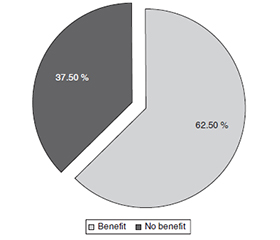
Актуальність. Гостре порушення функції печінки призводить до небезпечного для життя стану, відомого як гостра печінкова недостатність (ГПН). Хоча N-ацетилцистеїн (NAC) широко використовується при ацетамінофен-індукованій ГПН, його роль у ГПН, не спричиненій ацетамінофеном, залишається дискусійною. Метa: оцінити ефективність NAC у пацієнтів із ГПН, не викликаною ацетамінофеном, з акцентом на біохімічні показники, спонтанне відновлення функції печінки й загальну смертність. Матеріали та методи. Двадцять чотири пацієнти віком від 6 місяців до 13 років із діагнозом ГПН були відібрані для цього проспективного обсерваційного дослідження, проведеного протягом 6 місяців (з 1 червня до 1 грудня 2024 року) у Центральній дитячій навчальній лікарні міста Багдад. Усі вони отримували NAC під час госпіталізації. Були оцінені клінічні характеристики, показники функції печінки, коагулограми, а також клінічна ефективність, результати лікування, тривалість перебування в стаціонарі й рівень виживання. Результати. Вік пацієнтів становив від 6 місяців до 13 років. Розподіл за статтю був рівним: 12 (50 %) хлопчиків та 12 (50 %) дівчаток. Середня тривалість хвороби до госпіталізації становила 6,25 ± 3,35 дня, а середня тривалість перебування в стаціонарі — 7,75 ± 2,51 дня. Половина учасників (50 %) мали II стадію печінкової недостатності, III та III–IV стадії зареєстровані відповідно у 33,33 i 16,67 % пацієнтів, жовтяниця й гепатомегалія були універсальними знахідками. Щодо етіології печінкової недостатності, вірусні причини були найпоширенішими (50 %), далі йшли випадки з невідомою причиною (33,3 %), тоді як метаболічні та інші розлади (ліки, автоімунний гепатит, хвороба Вільсона) становили 16,7 %. Рівень загального білірубіну сироватки крові зменшився статистично вірогідно — з медіани 12,65 мг/дл до лікування до 8,85 мг/дл після лікування. Уміст аланінамінотрансферази знизився з медіани 926,50 до 469,50 Од/л з високою статистичною значущістю, аспартатамінотрансфераза також продемонструвала значне зниження з 801,50 до 504,50 Од/л. Міжнародне нормалізоване співвідношення істотно поліпшилося: 2,05 до лікування й 1,4 після нього. Висновки. Це дослідження показує, що NAC може бути корисним у лікуванні гострої печінкової недостатності в дітей, особливо завдяки покращенню функції печінки та зменшенню коагулопатій. Майбутні дослідження повинні зосередитися на стратифікації пацієнтів за етіологією ГПН, виявленні прогностичних біомаркерів відповіді на NAC та оцінці його довгострокового впливу на виживання й регенерацію печінки, хоча це питання залишається предметом дискусій.
Background. Acute decline in liver function determines the life-threatening disorder known as acute liver failure (ALF). Although N-acetylcysteine (NAC) is extensively utilized for acetaminophen-induced ALF, its function in non-acetaminophen ALF is still debatable. The purpose was to study the effectiveness of NAC in patients with ALF of various non-acetaminophen etiologies, with a focus on biochemical indicators, spontaneous hepatic recovery, and overall mortality. Materials and methods. Twenty-four patients aged 6 months to 13 years diagnosed with ALF were selected for this prospective observational research over a period of 6 months, from 1st of June to 1st of December 2024, at the Central Central Children’s Teaching Hospital in Baghdad city. They received NAC during the admission to the hospital. Clinical features, markers including liver function tests, coagulation profiles in addition to clinical effectiveness, outcome, hospital length of stay and survival rates were evaluated. Results. The age of patients was 6 months to 13 years. The sex distribution was equal, with 12 (50 %) male and 12 (50 %) female patients. The average duration of illness prior to admission was 6.25 ± 3.35 days. The mean length of hospitalization was 7.75 ± 2.51 days. Half of the patients (50 %) had stage II liver failure, stage III and stage III–IV were reported in 33.33 and 16.67 % of the patients, respectively, jaundice and hepatomegaly were universal findings. Regarding etiology of liver failure, viral causes were most frequent (50 %), followed by unknown causes (33.3 %), while metabolic and others disorders (drugs, autoimmune hepatitis,Wilson disease) comprise 16.7 %. Total serum bilirubin showed a statistically significant decrease from a median of 12.65 mg/dL
before treatment to 8.85 mg/dL after treatment. Alanine aminotransferase dropped from a median of 926.50 to 469.50 U/L with a highly statistical significance, while aspartate aminotransferase also showed a significant reduction from 801.50 to 504.50 U/L. The international normalized ratio significantly improved, decreasing from a median of 2.05 before treatment to 1.4 after treatment. Conclusions. This study shows that NAC may be useful as a treatment for acute liver failure in children, especially by improving liver biomarkers, and lowering coagulation abnormalities. Future research should concentrate on patient stratification by ALF etiology, the identification of predictive biomarkers for NAC responsiveness, and an evaluation of its long-term effects on survival and liver regeneration, although this is still up for debate.
N-ацетилцистеїн; гостра печінкова недостатність; показники виживання; недостатність, не викликана ацетамінофеном
N-acetylcysteine; acute liver failure; survival rates; non-acetaminophen-induced failure
Для ознакомления с полным содержанием статьи необходимо оформить подписку на журнал.
- Aziz R, Price J, Agarwal B. Management of acute liver failure in intensive care. BJA education. 2021 Mar 1;21(3):110-6. doi: 10.1016/j.bjae.2020.11.006.
- Lekakis V, Papatheodoridis GV. Natural history of metabolic dysfunction-associated steatotic liver disease. European Journal of Internal Medicine. 2024 Apr 1;122:3-10. doi: 10.1016/j.ejim.2023.11.005.
- Gan C, Yuan Y, Shen H, Gao J, Kong X, et al. Liver diseases: epidemiology, causes, trends and predictions. Signal Transduction and Targeted Therapy. 2025 Feb 5;10(1):33. doi: 10.1038/s41392-024-02072-z.
- Sehrawat SS, Premkumar M. Critical care management of acute liver failure. Indian Journal of Gastroenterology. 2024 Apr;43(2):361-76. doi: 10.1007/s12664-024-01556-8.
- Schwalfenberg GK. N-acetylcysteine: a review of clinical usefulness (an old drug with new tricks). Journal of Nutrition and Metabolism. 2021;2021(1):9949453. doi: 10.1155/2021/9949453.
- Devarbhavi H, Aithal G, Treeprasertsuk S, Takikawa H, Mao Y, et al. Drug-induced liver injury: Asia Pacific Association of Study of Liver consensus guidelines. Hepatology International. 2021 Apr;15:258-82. doi: 10.1007/s12072-021-10144-3.
- Sotelo N, de los Ángeles Durazo M, Gonzalez A, Dhanakotti N. Early treatment with N-acetylcysteine in children with acute liver failure secondary to hepatitis A. Annals of Hepatology. 2009;8(4):353-8.
- Minjares RO, Martin P, Bhamidimarri KR. Jaundice and Abnormal Liver Function Tests. In: Textbook of Neurointensive Care. Vol. 1: Neuroanatomy, Diagnostic Assessment, Disease Management. Cham: Springer International Publishing; 2024. 267-285.
- Sanabria-Cabrera J, Tabbai S, Niu H, Alvarez-Alvarez I, Licata A, et al. N-acetylcysteine for the management of non-acetaminophen drug-induced liver injury in adults: A systematic review. Frontiers in Pharmacology. 2022 May 17;13:876868. doi: 10.3389/fphar.2022.876868.
- Lee WM, Hynan LS, Rossaro L, Fontana RJ, Stravitz RT, et al. Intravenous N-acetylcysteine improves transplant-free survival in early stage non-acetaminophen acute liver failure. Gastroenterology. 2009 Sep 1;137(3):856-64. doi: 10.1053/j.gastro.2009.06.006.
- Wendon J, Cordoba J, Dhawan A, Larsen FS, Manns M, et al. EASL Clinical Practical Guidelines on the management of acute (fulminant) liver failure. Journal of Hepatology. 2017 May 1;66(5):1047-81.doi: 10.1016/j.jhep.2016.12.003.
- Squires Jr RH, Shneider BL, Bucuvalas J, Alonso E, Sokol RJ, et al. Acute liver failure in children: the first 348 patients in the pediatric acute liver failure study group. The Journal of Pediatrics. 2006 May 1;148(5):652-8. doi: 10.1016/j.jpeds.2005.12.051.
- Bartlett JA, Kohli R. Hepatic encephalopathy in children. Indian Journal of Pediatrics. 2024 Mar;91(3):280-5. doi: 10.1007/s12098-023-04679-6.
- Naughtin C, Anderson C. Acetylcysteine IV in non-paracetamol induced acute liver failure. Medicine Guideline. 2023;1-4.
- Bass SN, Lumpkin M, Mireles-Cabodevila E, Lindenmeyer CC, Dolan B, et al. Impact of Duration of N-Acetylcysteine in Non-Acetaminophen-Induced Acute Liver Failure. Critical Care Explorations. 2021 May 1;3(5):e0411. doi: 10.1097/CCE.0000000000000411.
- Da Silva Athanasio B, de Faria Andrade AM, Vasconcelos Costa V, Castro JF, et al. King’s College criteria and the Clichy-Villejuif criteria require adjustments for assessing acute liver failure due to yellow fever. World J Transplant. 2025 Mar 18;15(1):100413. doi: 10.5500/wjt.v15.i1.100413.
- Walayat S, Shoaib H, Asghar M, Kim M, Dhillon S. Role of –N-acetylcysteine in non-acetaminophen-related acute liver failure: an updated meta-analysis and systematic review. Annals of Gastroenterology. 2021 Jan 4;34(2):235. doi: 10.20524/aog.2021.0571.
- Amjad W, Thuluvath P, Mansoor M, Dutta A, Ali F, Qureshi W. N-acetylcysteine in non-acetaminophen-induced acute liver failure: a systematic review and meta-analysis of prospective studies. Gastroenterology Review/Przegląd Gastroenterologiczny. 2022;17(1):9-16. doi: 10.5114/pg.2021.107797.
- Abimannane A, Deepthi B, Bhowmick R, Parameswaran N. Clinical Profile and Outcomes of Children with Acute Liver Failure in a Tertiary Care Center in South India: A Retrospective Study. Pediatric Gastroenterology, Hepatology & Nutrition. 2024 Jan 9;27(1):43. doi: 10.5223/pghn.2024.27.1.43.
- Seth S, Maharshi S, Sharma KK, Pokharna R, Nijhawan S, Sharma SS. Changing etiological spectrum of acute liver failure. Indian Journal of Gastroenterology. 2024 Apr;43(2):452-8. doi: 10.1007/s12664-024-01578-2.
- Toney NA, Bell MJ, Belle SH, Hardison RM, Rodriguez-Baez N, et al. Pediatric Acute Liver Failure Study Group. Hepatic encephalopathy in children with acute liver failure: utility of serum neuromarkers. Journal of Pediatric Gastroenterology and Nutrition. 2019 Jul 1;69(1):108-15. doi: 10.1097/MPG.0000000000002351.
- Wang CY, Zhao P, Liu WW. Acute Liver Failure Study Team. Acute liver failure caused by severe acute hepatitis B: a case series from a multi-center investigation. Annals of Clinical Microbiology and Antimicrobials. 2014 Dec;13:1-4. doi: 10.1186/1476-0711-13-23.
- Singh S, Hynan LS, Lee WM. Acute Liver Failure Study Group. Improvements in hepatic serological biomarkers are associated with clinical benefit of intravenous N-acetylcysteine in early stage non-acetaminophen acute liver failure. Digestive diseases and sciences. 2013 May;58:1397-402. doi: 10.1007/s10620-012-2512-x.
- Darweesh SK, Ibrahim MF, El-Tahawy MA. Effect of N-ace–tylcysteine on mortality and liver transplantation rate in non-acetaminophen-induced acute liver failure: a multicenter study. Clinical Drug Investigation. 2017 May;37:473-82. doi: 10.1007/s40261-017-0505-4.
- Orban C, Agapie M, Bratu A, Jafal M, Duțu M, Popescu M. No Significant Beneficial Effects of Intravenous N-Acetylcysteine on Patient Outcome in Non-Paracetamol Acute Liver Failure: A Meta-Analysis of Randomized Controlled Trials. Biomedicines. 2024 Jul 1;12(7):1462. doi: 10.3390/biomedicines12071462.
- Stravitz RT, Ellerbe C, Durkalski V, Schilsky M, Fontana RJ, et al. Acute Liver Failure Study Group. Bleeding complications in acute liver failure. Hepatology. 2018 May;67(5):1931-1942. doi: 10.1002/hep.29694.
- Maiwall R, Kumar A, Bhadoria AS, Jindal A, Kumar G, et al. Utility of N-acetylcysteine in ischemic hepatitis in cirrhotics with acute variceal bleed: a randomized controlled trial. Hepatology International. 2020 Jul; 14:577-86. doi: 10.1007/s12072-020-10013-5.
- Taylor RM, Tujios S, Jinjuvadia K, Davern T, Shaikh OS, et al. Short and long-term outcomes in patients with acute liver failure due to ischemic hepatitis. Digestive Diseases and Sciences. 2012 Mar;57:777-85. doi: 10.1007/s10620-011-1918-1.
- Jiang SX, Hussaini T, Yoshida EM. N-acetylcysteine for non-acetaminophen induced acute liver failure: A review. Saudi Journal of Gastroenterology. 2022 Mar 1;28(2):85-91. doi: 10.4103/sjg.sjg_406_21.
- Jawaid H, Ali MM, Khan MU, Sami S, Shaikh MA. Efficacy and safety of N-acetylcysteine for the treatment of non-acetaminophen-induced acute liver failure: An updated systematic review and meta-analysis. Clinical and Experimental Hepatology. 2021 Jun 30;7(2):156-64. doi: 10.5114/ceh.2021.107171.
- Ibrahim BA, Hussein SA, Abdullah WH. Cognitive functions in children with type I diabetes. Wiad Lek. 2023 Jan 1;76(5 pt 1):944-50. doi: 10.36740/wlek202305108.
- Abdullah WH, Alabedi RF. Moyamoya angiopathy with growth hormone deficiency in 13 years and 10 years old boys brothers in Iraq: A case report. Medical Journal of Babylon. 2022 Jul 1;19(3):503-6. doi: 10.4103/MJBL.MJBL_90_22.
- Al-Obaidi SR, al-Gburi AJ. Pregnancy outcomes among patients with inappropriate sinus tachycardia. Malta Medical Journal. 2025;37(1):63-70.